Tracing the Lineage of Iconography from Ancient Board Games to Modern Virtual Spinner Designs Across International Markets
Petra Jenkins · Sep 29, 2026
Tracing the Lineage of Iconography from Ancient Board Games to Modern Virtual Spinner Designs Across International Markets
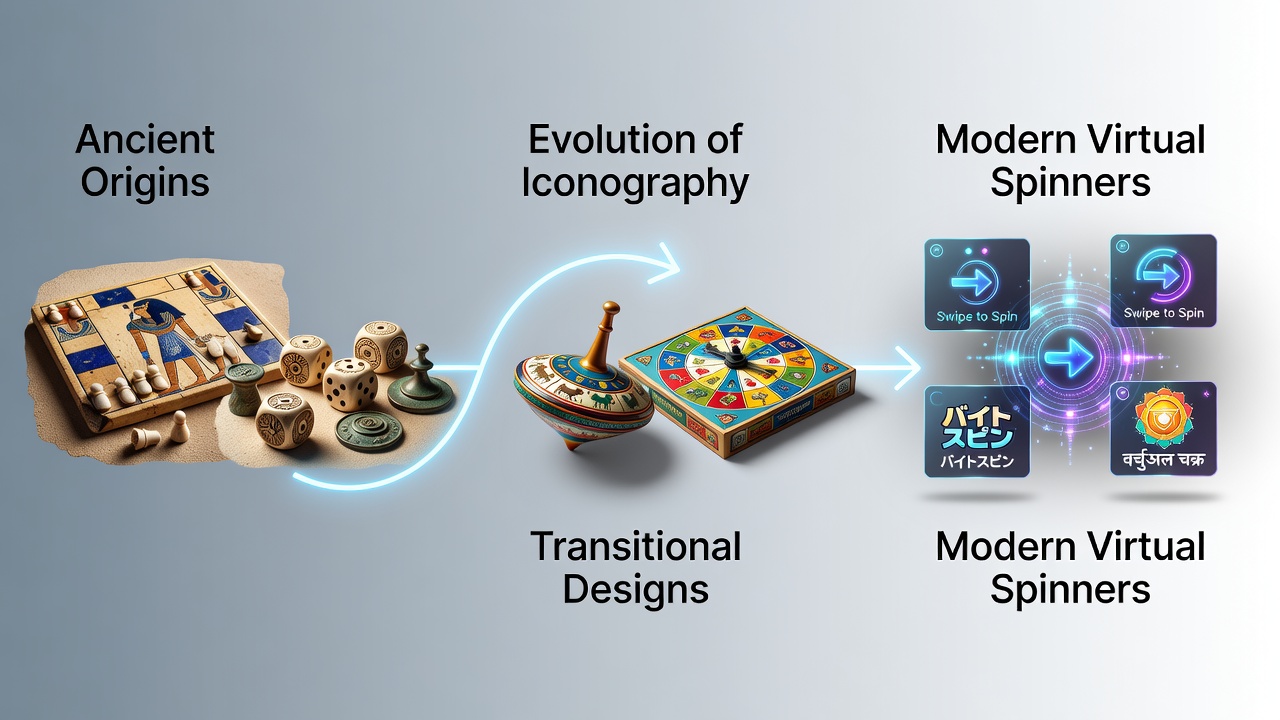
Archaeological records show that symbolic imagery in board games dates back thousands of years, with motifs drawn from religious, natural, and social elements that later influenced visual designs in contemporary digital interfaces. Studies from institutions such as the University of Oxford trace recurring patterns like animal figures, geometric shapes, and celestial symbols through successive game traditions across continents.
Early Foundations in Ancient Civilizations
Excavations in Egypt reveal Senet boards from around 3100 BCE featuring pieces marked with hieroglyphs for gods and protective symbols, while similar artifacts from Mesopotamia display lion and eagle motifs that denoted status or fortune. Researchers note parallel developments in ancient China where Go stones carried inscribed characters linked to philosophical concepts, and in India where early chess variants incorporated elephant and chariot icons drawn from military hierarchies. These designs served functional roles in gameplay yet established visual shorthand that persisted through cultural exchanges along trade routes.
Evidence from preserved boards indicates that color palettes and stylized forms evolved to convey movement and outcome probabilities, with red and black contrasts appearing consistently in multiple regions. Observers have documented how such icon sets migrated via Greek and Roman adaptations, where dice and board markers adopted mythological references including gods and heroes that reinforced narrative layers during play.
Transmission Through Medieval and Renaissance Periods
Manuscripts from the Islamic Golden Age illustrate how chess pieces retained and refined earlier Indian and Persian symbols, including stylized horses and ministers that traveled into European courts by the 11th century. Art historians point to surviving ivory sets featuring crowned figures and beasts that mirrored feudal structures, and these elements later appeared in printed playing cards distributed across trade networks. Data compiled in European museum collections shows gradual simplification of forms to suit mass production while preserving core symbolic meanings tied to chance and strategy.
Industrial Era Adaptations and the Rise of Mechanical Spinners
By the late 19th century, mechanical devices in American and European arcades incorporated fruit, bell, and star icons derived from earlier card and dice imagery, creating instant recognition for players familiar with traditional symbols. Manufacturing records indicate that companies standardized these motifs across markets, with variations in Asia incorporating dragons and lanterns to align with local cultural references. Figures from industry archives reveal that such designs spread through export markets in Australia and South America, where regulatory frameworks began documenting visual consistency requirements for fairness verification.
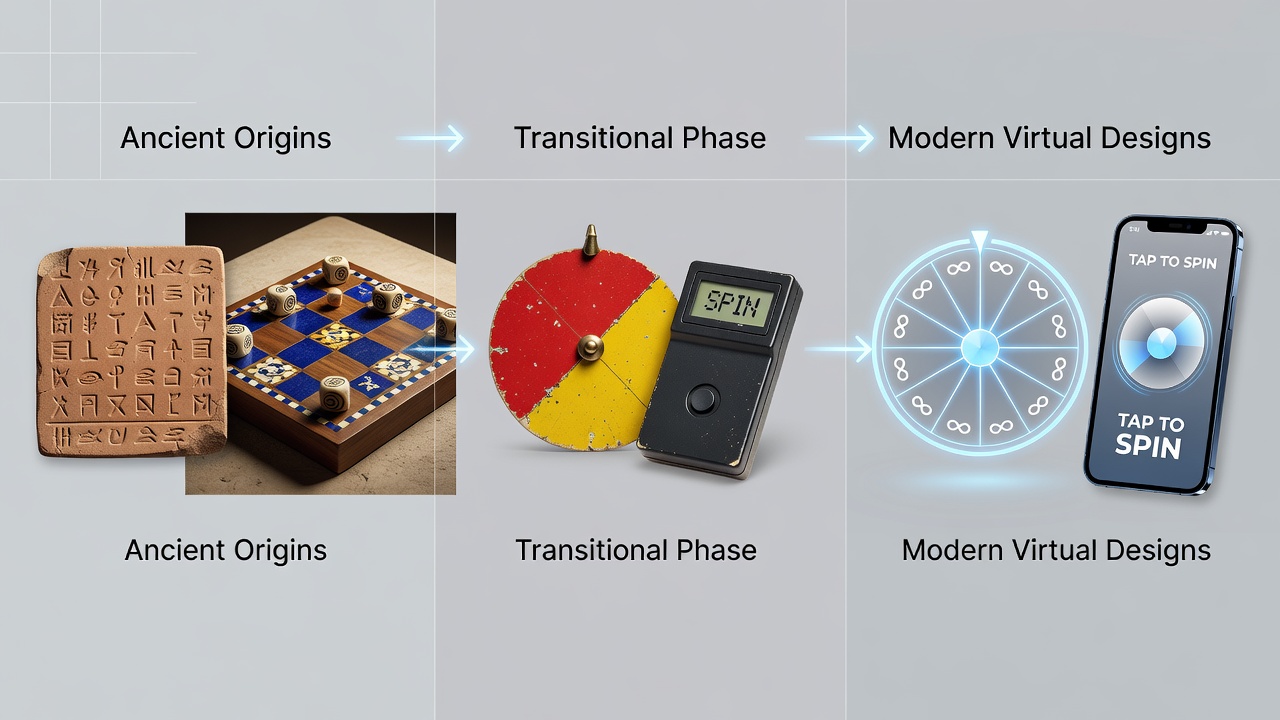
Designers in the early 20th century adapted these established icons for illuminated reels, maintaining continuity with ancient themes of abundance and protection while meeting new mechanical constraints. International trade shows from that era featured demonstrations of how regional preferences shaped symbol selections, such as European emphasis on card suits alongside North American focus on agricultural emblems.
Digital Transition and Global Virtual Spinner Markets
Software development logs from the 1990s onward document the migration of physical symbols into pixel-based animations, with developers retaining core iconography while introducing motion and layering effects. Reports compiled by regulatory bodies including the Nevada Gaming Control Board and the Australian Communications and Media Authority highlight standardization efforts that preserve historical motifs across platforms to ensure player familiarity in cross-border operations. In September 2026, updated compliance guidelines from multiple jurisdictions noted continued use of these lineage elements in new virtual spinner releases targeting European and Asian markets.
Market analyses show that developers in South Korea and Brazil integrate localized variants, such as temple guardians or carnival figures, while retaining structural parallels to ancient prototypes. Research institutions tracking user interface trends have identified recurring geometric frameworks that echo board game grids, facilitating intuitive navigation in mobile formats distributed worldwide.
Conclusion
Documentation across centuries demonstrates a continuous thread of iconographic transmission from ancient board games through mechanical devices to current virtual spinner formats, shaped by cultural adaptation and regulatory oversight in diverse international settings. Primary sources from archaeological sites to contemporary compliance records confirm the persistence of specific symbolic categories that support both gameplay clarity and thematic resonance across evolving technologies.