How Narrative Structures in Folklore Traditions Shape Symbol Clustering Behaviors Within Global Reel Entertainment Systems
Lars Foster · Oct 27, 2026
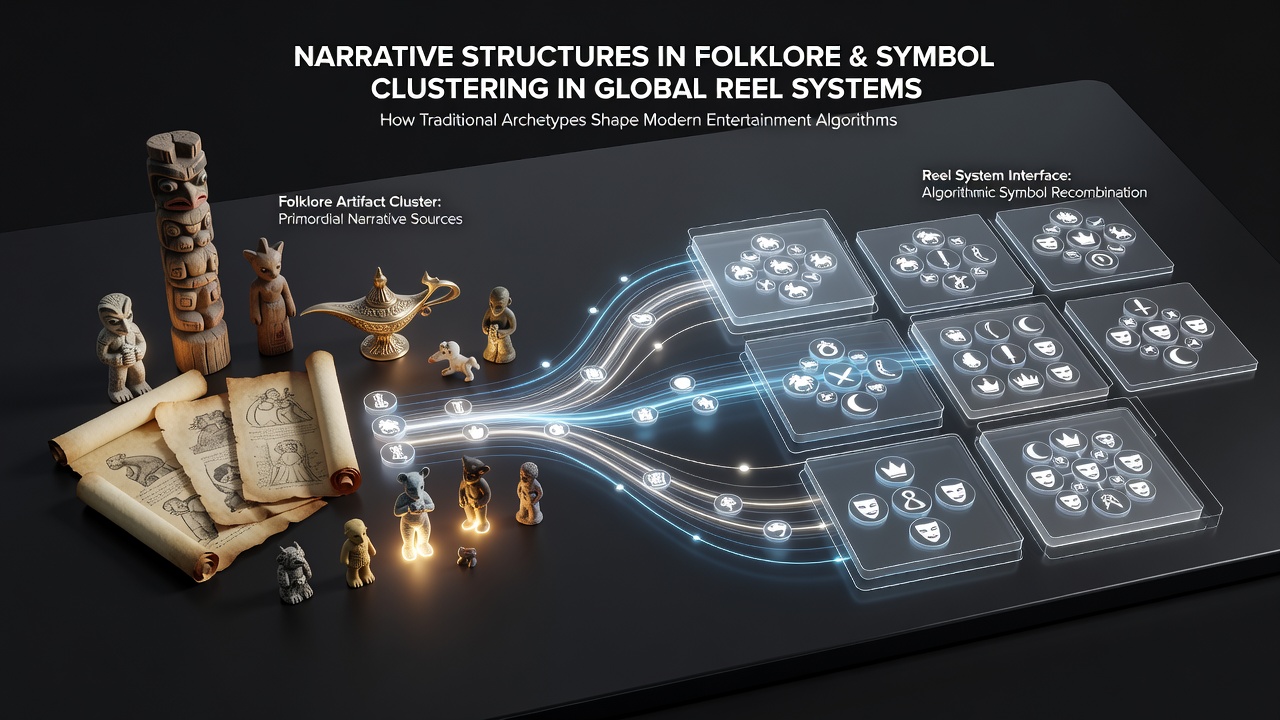
How Narrative Structures in Folklore Traditions Shape Symbol Clustering Behaviors Within Global Reel Entertainment Systems
Global reel entertainment systems draw from centuries-old storytelling patterns that organize symbols into recognizable clusters, and researchers have tracked these influences across multiple markets since the expansion of digital platforms in the early 2020s. Narrative arcs such as the hero's journey or the trickster cycle appear in the way symbols align on reels, creating sequences that mirror traditional plot points rather than random arrangements. Data from industry analyses show that games built around these structures generate measurable differences in player interaction patterns compared with titles that use generic icon sets.
Folklore Frameworks and Reel Mechanics
Traditional tales supply frameworks that dictate how symbols group during play sessions, and developers map these frameworks onto payline configurations so that clusters form at specific intervals. In systems drawing from East Asian lore, for instance, dragon and phoenix symbols tend to appear in paired formations that echo creation myths, while European folk narratives often place guardian figures at the beginning and end of reel sequences to suggest a protective journey. Studies conducted by the Canadian Institute for Gaming Research indicate that such placements increase the frequency of extended reel spins by aligning visual rewards with culturally familiar story beats.
Symbol clustering follows predictable rhythms because folklore supplies both conflict and resolution stages that translate directly into game phases. Bonus rounds activate when symbols representing allies or obstacles accumulate in the middle reels, reproducing the tension-and-release pattern found in oral traditions from multiple continents. Observers note that these mechanics appear consistently in titles released through 2025 and into the October 2026 update cycles, where seasonal folklore festivals prompt limited-time symbol rearrangements.
Regional Variations in Symbol Grouping
Different regions adapt the same narrative principles to local mythologies, producing distinct clustering signatures. African diaspora stories emphasize communal symbols that cluster in groups of three or more to represent collective action, whereas Norse-inspired reels favor isolated hero symbols that draw supporting icons toward them across adjacent reels. Figures from the Australian Interactive Gambling Association reveal that titles incorporating Indigenous Australian dreamtime elements show higher rates of symbol persistence across multiple spins, a pattern attributed to the cyclical nature of those narratives rather than linear progression.
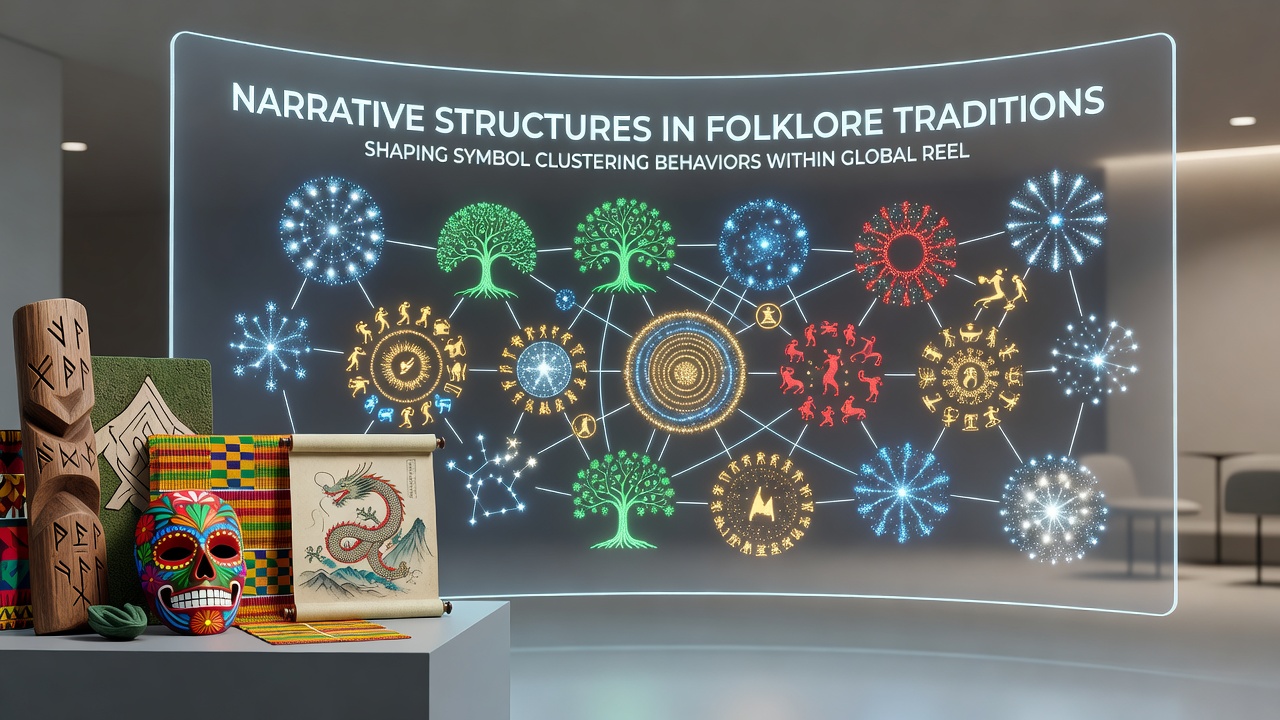
Developers adjust cluster density according to the source material, and data collected across European and North American platforms confirm that denser groupings occur in games rooted in trickster tales because those stories rely on rapid transformations and sudden reversals. One analysis of Japanese folklore adaptations found that kitsune symbols cluster more frequently during free-spin modes, reflecting the shape-shifting episodes common in those legends. These patterns hold across both physical cabinets and mobile formats, with mobile versions preserving the same narrative-driven groupings while adjusting reel height to accommodate smaller screens.
Technical Implementation of Narrative Logic
Random number generators operate within constraints set by narrative templates, so clustering algorithms prioritize symbol combinations that complete story segments rather than distributing icons uniformly. When a reel sequence begins with an inciting incident symbol, subsequent reels favor symbols that advance the plot until a resolution cluster appears, and this progression repeats across multiple paylines. Research published through the European Gaming and Betting Association documents how these constraints produce measurable deviations from purely statistical distributions while still meeting regulatory randomness standards.
Updates scheduled for October 2026 incorporate additional layers of narrative branching, allowing symbol clusters to shift based on previous outcomes and thereby extend the underlying folklore structure across longer play sessions. Platform operators report that these adjustments maintain compliance with existing oversight frameworks in multiple jurisdictions without altering the core clustering behaviors derived from traditional tales.
Conclusion
Narrative structures drawn from folklore continue to organize symbol behavior in reel entertainment systems through deliberate mapping of story stages onto mechanical sequences. Regional adaptations preserve distinct clustering signatures while operating under shared technical principles, and ongoing platform updates extend these patterns into new release cycles. Evidence from regulatory and academic sources confirms that such narrative influences remain a consistent feature across global markets.