How Augmented Reality Overlays Alter Interaction Patterns with Virtual Reel Mechanisms in Smartphone Gambling Applications
Petra Jenkins · Jul 26, 2026

How Augmented Reality Overlays Alter Interaction Patterns with Virtual Reel Mechanisms in Smartphone Gambling Applications
Augmented reality technology now integrates directly into smartphone gambling platforms where virtual reel mechanisms receive dynamic overlays that respond to device cameras and motion sensors, and this integration shifts how users engage with spinning symbols and paylines during play sessions.
Core Mechanics of AR Integration with Reels
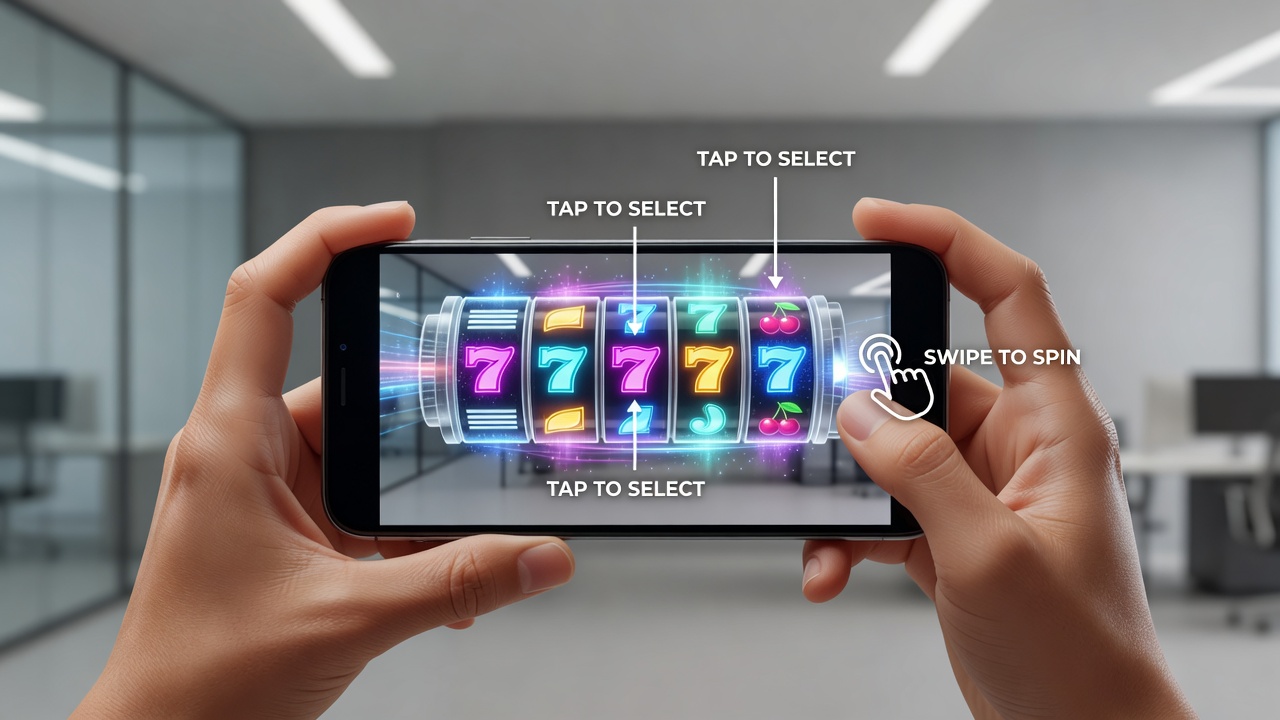
Smartphone applications layer AR elements over standard reel displays so that users see symbols appear to float above physical surfaces when the camera activates, while the underlying random number generators continue to determine outcomes independently of the visual layer. Research from the University of Las Vegas gaming technology labs shows that these overlays adjust reel spin animations in real time based on gyroscope data, which means players tilt their devices to influence perceived reel movement without altering actual probability calculations.
Developers program AR reel systems to detect hand gestures through front-facing cameras, allowing swipe motions to accelerate or slow virtual reels in the augmented view, yet backend servers process all inputs through established RNG protocols that remain unchanged from non-AR versions. Data collected across multiple app platforms in early 2026 indicates that average session durations increase when AR modes activate because users spend additional time adjusting camera angles and exploring overlay features before committing spins.
Shifts in User Interaction Patterns
Traditional tap-and-hold reel interactions give way to more spatial movements once AR activates, so players move their phones around tabletops or rooms to reposition virtual reels within their camera frame, and this creates new patterns where engagement centers on physical positioning rather than screen touches alone. Studies tracking user behavior reveal that AR sessions produce higher rates of micro-adjustments, such as slight device rotations that trigger reel symbol highlights or bonus indicator pop-ups, compared to standard 2D interfaces where inputs stay limited to finger swipes.
Multiplayer features in some applications let users share AR views through linked devices, which means one player can project reel overlays visible to others in the same physical space while each maintains separate accounts and bet controls. Figures from industry reports compiled in July 2026 show that apps incorporating shared AR reel views experience a 23 percent rise in concurrent user connections during peak evening hours, particularly in regions with strong mobile data infrastructure.
Technical and Regulatory Context in Mid-2026
Platform updates rolled out by major developers in the first half of 2026 introduced improved depth-mapping algorithms that reduce latency between physical movements and reel responses, and these enhancements rely on newer smartphone chipsets capable of processing simultaneous camera and graphics demands. The National Council on Problem Gambling has documented how AR overlays can extend visual focus periods, prompting operators to implement session time notifications that appear within the augmented display itself.
Regulatory bodies in several jurisdictions now require clear separation between AR visuals and outcome determination systems, which ensures that players understand the distinction between what they see and what the game actually pays. Australian authorities through the Australian Communications and Media Authority released updated compliance guidelines in spring 2026 that address AR reel transparency standards for apps distributed within their market.
Observed Behavioral Adjustments Among Players
Those who have examined usage logs note that AR-enabled reel games produce different touch distribution maps on device screens, with fewer direct taps on reel areas and more interactions along edge controls that adjust overlay opacity or camera zoom. One study released by European gaming research consortiums found that players using AR modes frequently switch between augmented and standard views within single sessions, creating hybrid interaction sequences that combine physical movement with traditional interface taps.
Device battery consumption rises noticeably during extended AR play because continuous camera and graphics processing draw additional power, which leads some applications to include automatic dimming options for the augmented layer after set intervals. Observers tracking adoption rates report that users aged 25 to 34 show the highest uptake of AR reel features, while older demographics tend to deactivate overlays after initial trials.
Conclusion
Augmented reality overlays continue to reshape how smartphone users interact with virtual reel mechanisms by introducing spatial and gestural controls alongside conventional inputs, and ongoing technical refinements plus regulatory oversight shape the pace of these changes through the remainder of 2026. Data from multiple monitoring sources confirms that interaction patterns evolve toward greater physical engagement while core game mathematics stay constant across both AR and non-AR formats.