Connections Between Weather Data Patterns and Smartphone Reel Game Engagement Shifts
Lars Foster · Aug 2, 2026
Connections Between Weather Data Patterns and Smartphone Reel Game Engagement Shifts
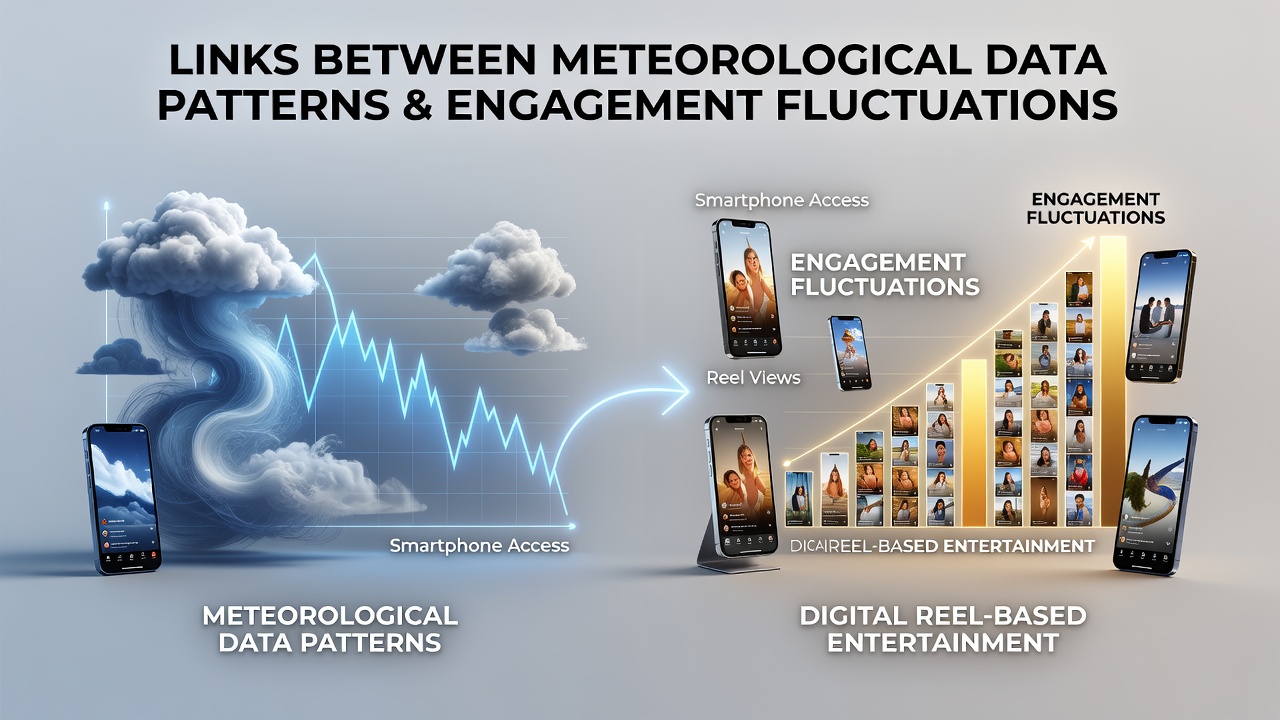
Analysts tracking mobile data have documented consistent correlations between meteorological conditions and user activity in digital reel entertainment platforms accessed through smartphones, with patterns emerging from aggregated app metrics and weather records across multiple regions. Studies compiled from various sources show that engagement levels often rise during periods of heavy precipitation or temperature extremes, while clearer conditions sometimes coincide with reduced session durations in certain demographics.
Regional Weather Influences on Mobile Activity
Researchers examining datasets from North American and European markets note that storm systems frequently align with spikes in reel game logins, as users seek indoor activities during rain or high winds. Data gathered through integrated weather APIs and gaming analytics platforms reveal that engagement can increase by measurable percentages on days when precipitation exceeds average thresholds, particularly in urban areas where smartphone usage remains high regardless of outdoor conditions. In contrast, prolonged sunny spells in summer months have shown mixed results, with some cohorts maintaining steady play while others shift focus toward outdoor pursuits.
Seasonal Trends and Data Correlations
Long-term observations compiled through industry reports indicate that winter months, characterized by shorter daylight and colder temperatures, tend to produce elevated engagement curves compared to spring transitions. Figures from 2025 into 2026 highlight how early summer heatwaves prompted temporary surges in evening sessions, especially when combined with air quality advisories that encouraged indoor time. Those who monitor these intersections point to variables such as humidity levels and barometric pressure changes as additional factors that coincide with fluctuations, although causation remains under continued review by independent analysts.
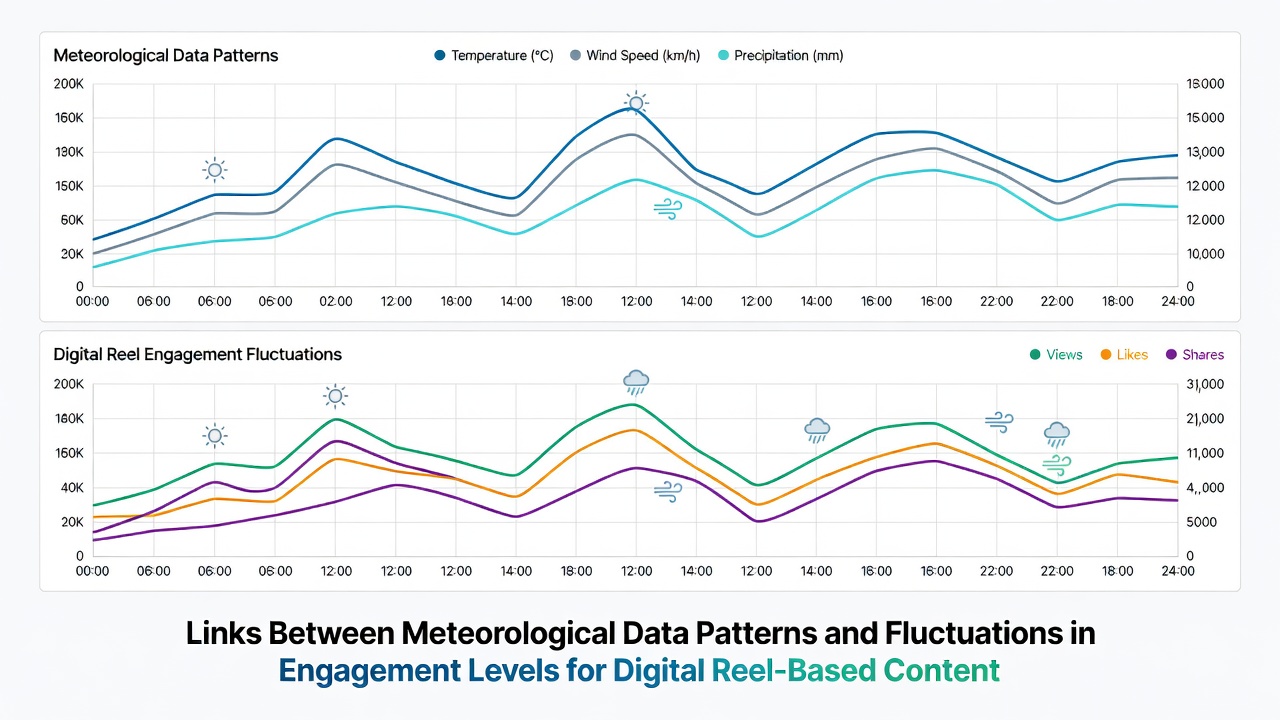
One analysis covering multiple provinces in Canada found that sub-zero temperatures paired with snowfall events corresponded to extended average play times per user, while transitional spring weather produced more variable daily patterns. Observers note that similar dynamics appear in Australian datasets, where monsoon seasons align with higher mobile reel activity in affected territories.
Technological Integration of Weather and Gaming Metrics
Platforms that combine real-time meteorological feeds with user behavior tracking have enabled more precise mapping of these relationships, allowing developers to identify when certain reel titles experience higher retention. According to reports from the National Oceanic and Atmospheric Administration, atmospheric pressure shifts during frontal passages often precede measurable upticks in digital entertainment consumption across connected devices. Academic teams at institutions in Australia have cross-referenced similar information with gaming telemetry, revealing that wind speed and visibility reductions can also factor into session length variations.
Additional examinations in the European Union have linked regional storm tracks to engagement peaks in northern versus southern zones, with northern areas showing stronger associations during autumn and winter. Data compiled through university-led projects demonstrate that smartphone location services, when paired with weather station outputs, produce granular insights into how local conditions influence reel game access times throughout the day.
August 2026 Observations and Emerging Patterns
Records from August 2026 captured several heat-related events across the southern United States and parts of southern Europe that coincided with notable engagement increases during late afternoon and evening hours. Analysts reviewing these intervals found that sustained high temperatures above seasonal norms aligned with longer average session durations, particularly among users in metropolitan zones with limited outdoor alternatives. Meanwhile, scattered thunderstorm activity in the Midwest produced shorter but more frequent login clusters during midday lulls.
Those studying these intersections emphasize the role of combined datasets in clarifying how meteorological variables interact with device usage habits, rather than attributing changes to single factors alone. Continued monitoring through 2026 has already generated additional layers of information that refine earlier models.
Conclusion
Cross-referenced meteorological and gaming data continue to illustrate measurable links between weather patterns and smartphone reel engagement fluctuations, supported by analytics from diverse geographic sources and academic partnerships. As integration between weather services and mobile platforms advances, further refinements in these correlations are expected to emerge from ongoing research efforts.